Worka Sakaro Washed Grade 2

WORKA SAKARO
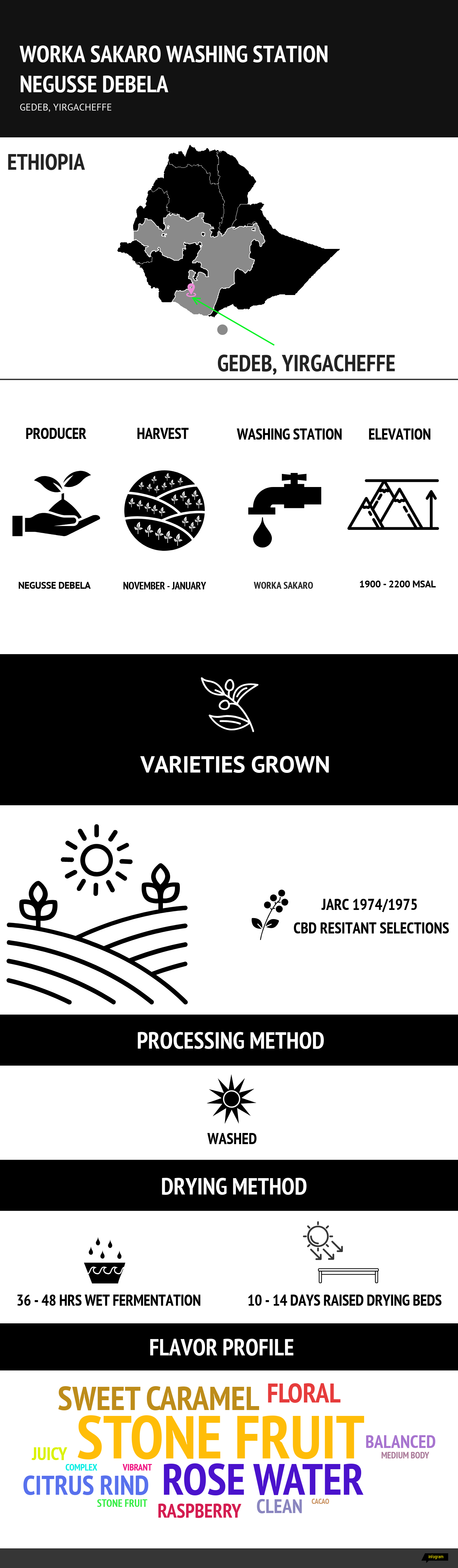
Gedeb, Yirgacheffe
Producer: Negusse Debela
Lot: Worka Sakaro
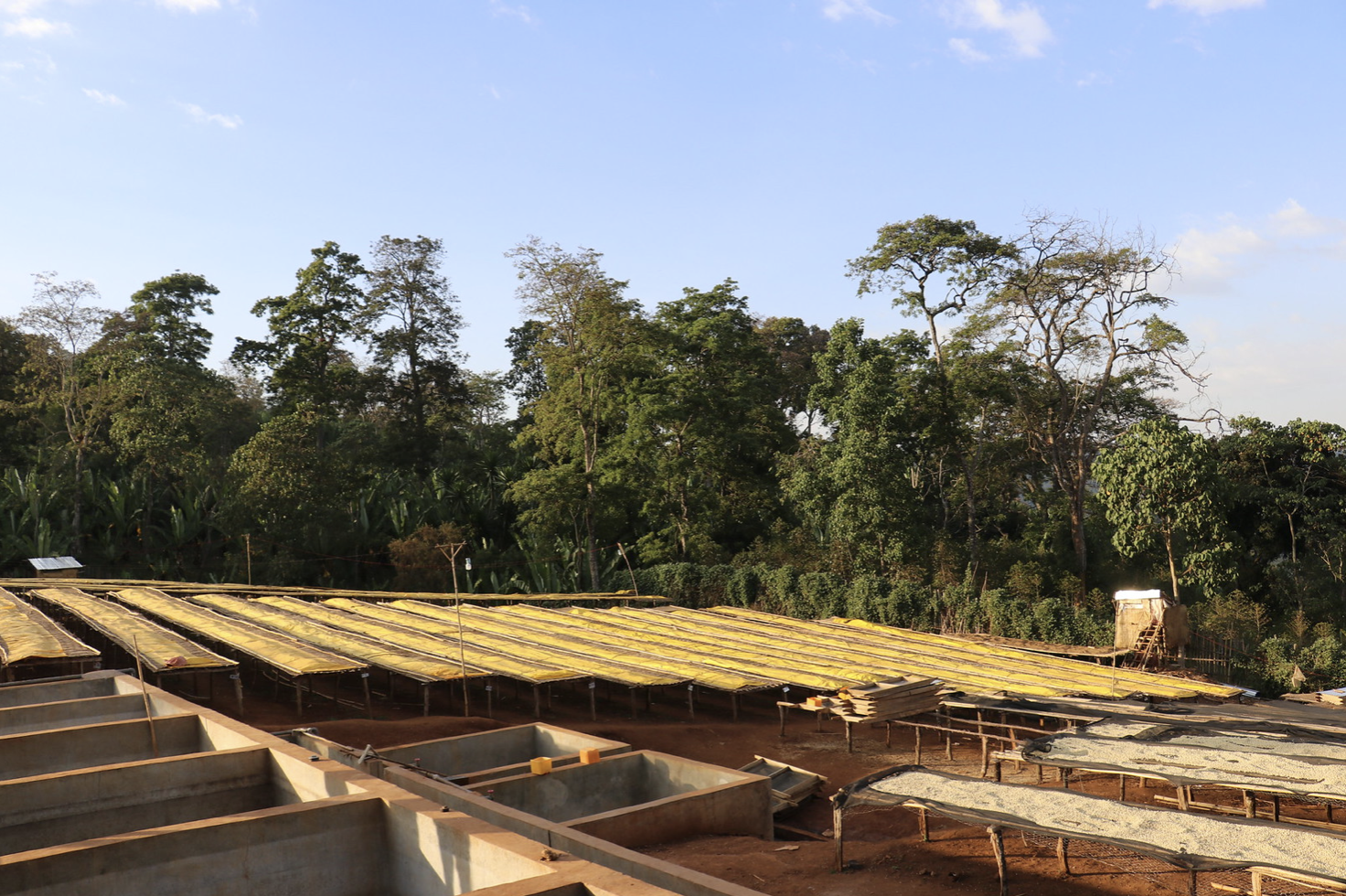
Mill/Drying Station: Worka Sakaro Washing Station
Bag Size: 60 Kg Grainpro
Region: Gedeb, Yirgacheffe
Altitude: 1900 - 2200 MSAL
Variety: JARC 1974/1975
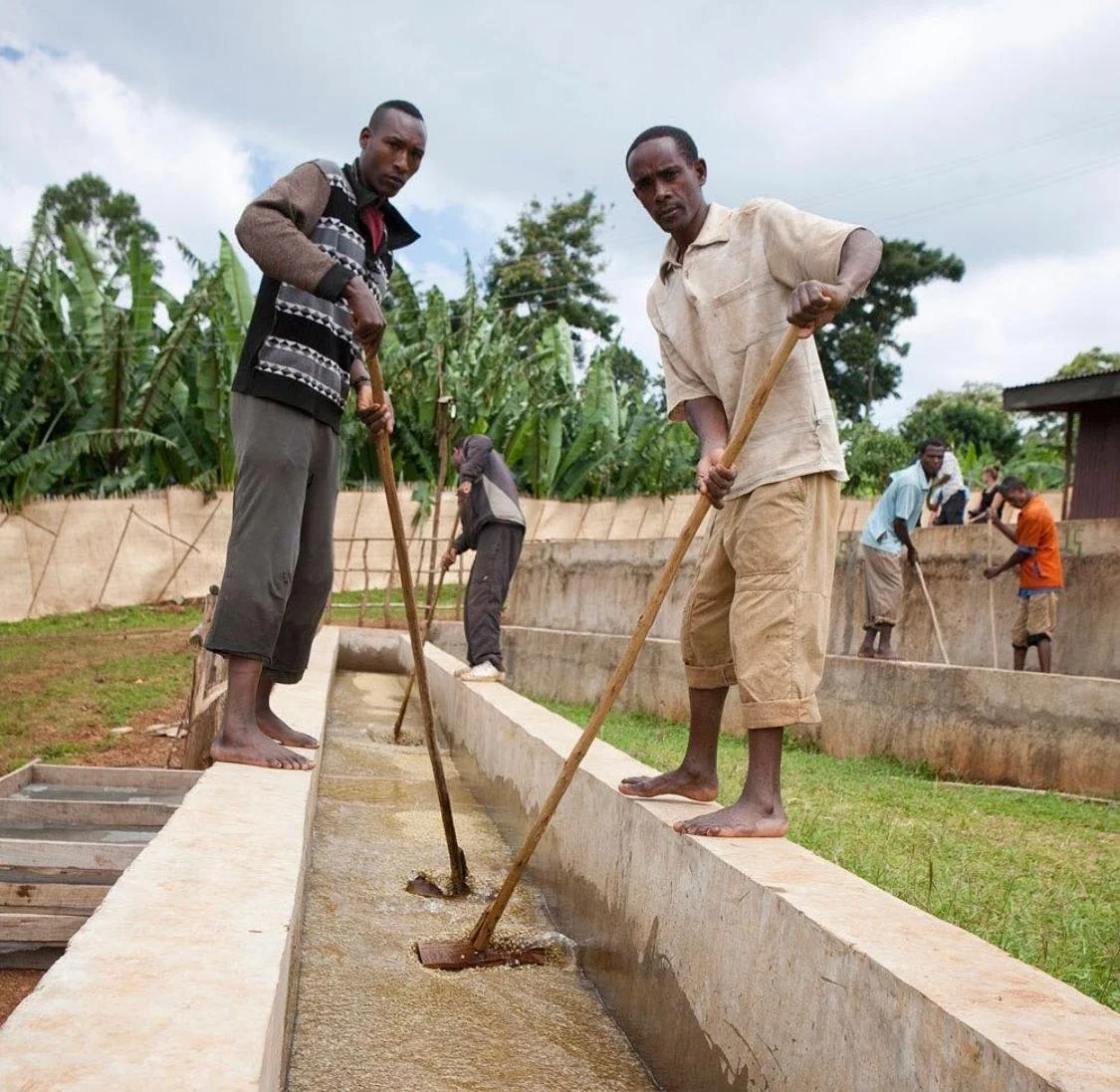
Process: Fully Washed
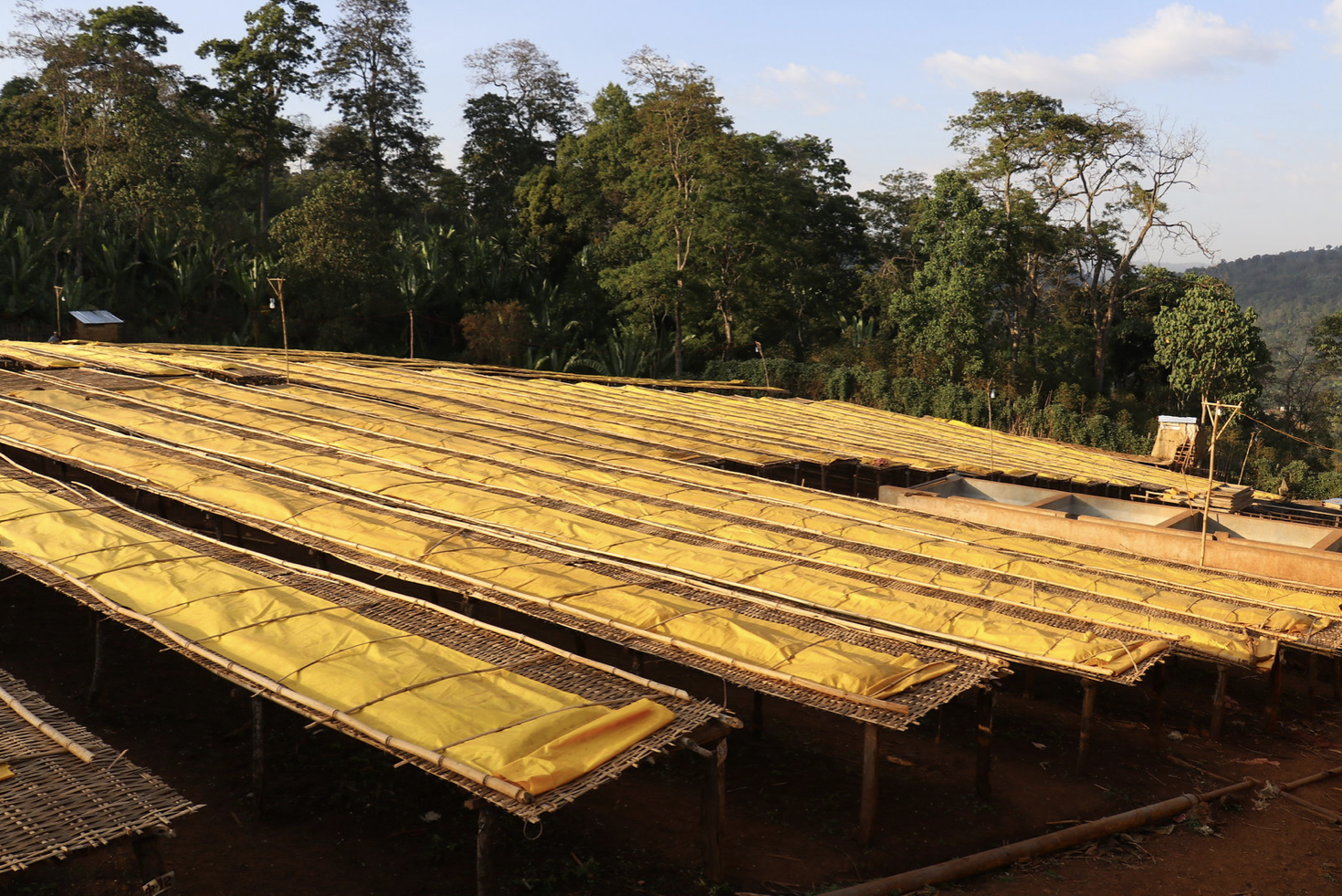
Drying Time: 10 - 14 days on raised beds
Location: On Spot - Annex
Notes
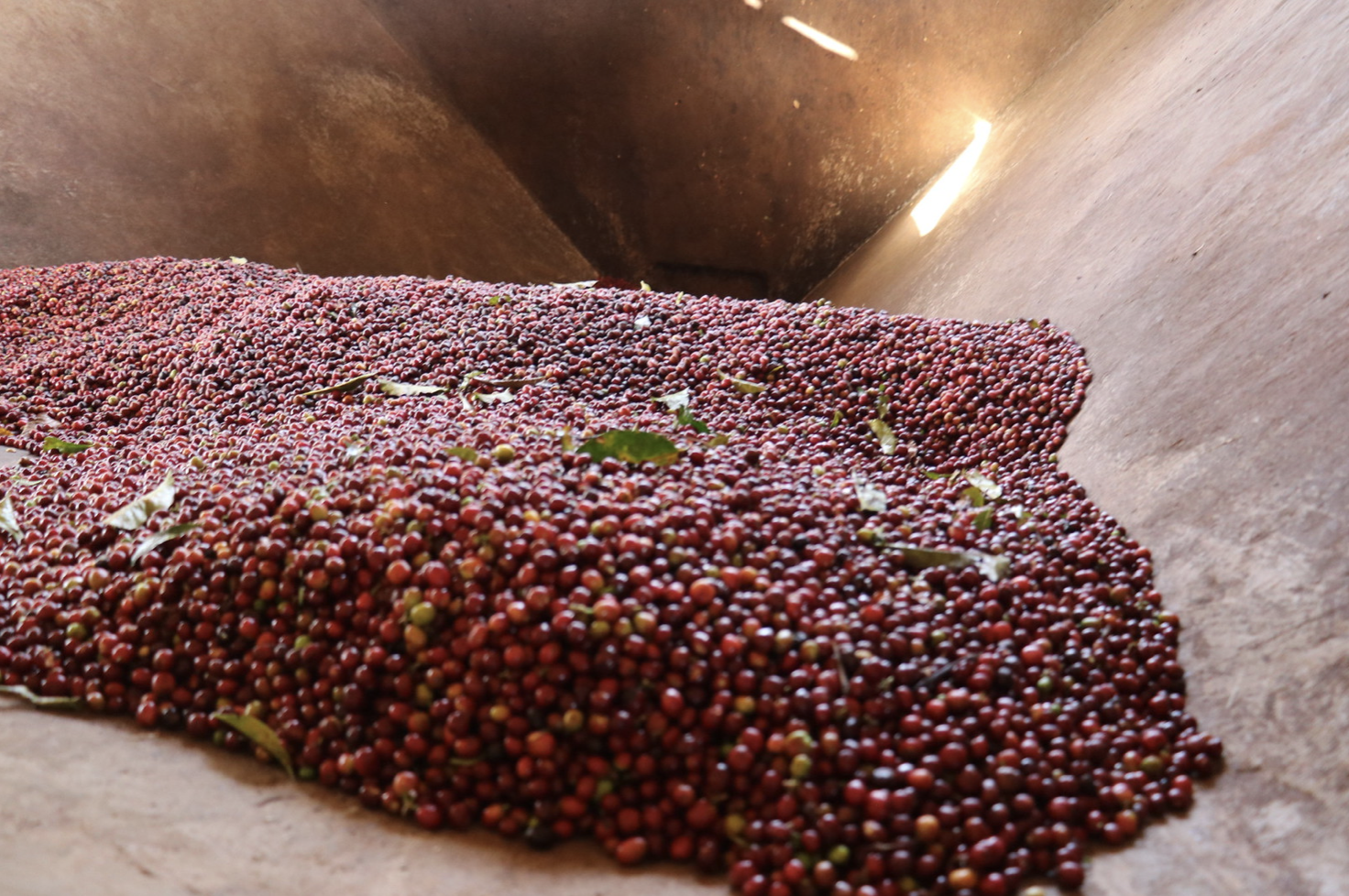
This is our third consecutive year sourcing from Worka Sakaro, and third year in a row sourcing from Negusse Debela's Worka Sakaro Washing Station. Where to start? This lot grabbed our attention immediately right out of the gate. One of the top washed lots we had the opportunity to taste from this years 2022 Ethiopia harvest and the echelon of quality is evident from the caliber of cherry to the precision in processing on every level.
NEGUSSE DEBELA
We are definitely in the business of handing out coffee epiphanies to people and it's truly inspiring when you have the privilege to taste a coffee this special that was produced by Negusse. Negusse was inspired on a trip to Minnesota where he found himself sitting inside a cafe experiencing a pour-over, that for him was an epiphany that started it all. At that moment he realized the full potential of the coffee grown in his home country of Ethiopia was not even close to being reached. As soon he returned home, he got right to work. Negusse started off by visiting and touring coffee processing sites throughout southern Ethiopia to learn and understand the intricacies of farming and processing better. From that initial tour, Negusse has been determined to set his company SNAP on a course to be synonymous with sourcing and producing the highest quality coffees attainable in Ethiopia.
PROCESSING
At Worka Sakaro, they emphasize the use of traditional underwater fermentation that is popular in Ethiopia. In underwater fermentation the coffee is fully submerged in water for 36 to 48 hours normally, but the process can take longer. After fermentation the coffee is dried for 10-14 days on raised beds.
JARC VARIETIES - 1974/1975 CBD RESITANT SELECTIONS
Currently the majority of coffee produced in Ethiopia is produced from three production systems: forest, semi-forest, and garden coffee. The level of variation among coffee varieties in the forest and semi-forest production systems are recognized as a higher degree of quality than garden coffee production systems. Farmers in Ethiopia have always had an interest in changing the genetic base of their varieties in different production systems in pursuit to improve coffee production and yield. The Jimma Agricultural Research Center (JARC) has made huge contributions to the global coffee community with its efforts over the past 40 years to expand knowledge through scientific research and studies in Ethiopia. In the efforts by the (JARC) to push towards revolutionizing the development of modern coffee varieties in Ethiopia they have created innovative methods to genetically combat CBD (coffee berry disease) and increase the overall efficiency in production and yield for coffees grown naturally in the forest and semi-forest production systems.
In 1971, coffee berry disease (CBD) was spreading throughout Ethiopia and likely had been around for years. Initial trials in 1972 used chemical-based fungicides to test prevention of the disease. While these proved successful, it was decided that a better solution would be to collect and use the broad genetic diversity of Ethiopian coffee to develop CBD-resistant varieties. The selection process for these varieties began in 1973 and resulted in collections from 19 locations in Southwestern Ethiopia. After collecting seeds from 639 different coffee trees originally collected in the areas of Gera, Metu-Bishari, Washi and Wush Wush for showing resistance against CBD. For 1974 and 1975 CBD resistant improved coffee varieties, if a variety name starts either with a 74 or 75 it is a selection number given to the variety and can represent a broader group of different varieties that stem from the 1974 and 1975 CBD Resistant Selection Group.
1974/1975 CBD Resistant Selection Varieties
Gera Selection: 75227, 741
Metu-Bishari: 74165, 74158, 74112, 74148, 74140
Washi: 7487, 7454, 7440, 744
Wush Wush: 754
REGIONAL INFORMATION
Gedeb, Gedeo
Yirgacheffe is famous for putting washed coffee on the map in Ethiopia decades ago. People fell in love with the floral and citric profiles that the washing process brought out in coffees of Yirgacheffe, and almost instantly this small town became famous. The region is home to 400 + smallholder regional coffee cherry producers.
Southern Ethiopia, and Yirgacheffe in particular can get very confusing when figuring out the geographical areas and names. Yirgacheffe is actually the name of a small town, AND the name of a small wordea (district). However, the name Yirgacheffe became synonymous for coffees coming from a much greater area than just the town or the woreda. Today, Yirgacheffee coffee is mostly from the political boundary area called the Gedeo Zone (named after the Gedeo ethic group). Notably though, a very small amount of coffee labeled as Yirgacheffe comes from the Oromia SNNPR region that borders the western edge of Gedeo. The Gedeo Zone is broken down into 7 woredas, those are; Dilla, Dilla Zuria, Bule, Wenago, Yirgacheffe, Kochere and Gedeb.
Gedeb is the southern most woreda (district) of the Gedeo Zone, and in comparison to other areas coffee is somewhat newer to this area. Many farms here have only been growing coffee for 1 or 2 generations, and much of the coffee is only 20-30 years old. Farms in this area tend to be slightly larger than in the northern part of Yirgacheffe, but are still relatively small- averaging around 1-2 hectares, however some larger farms that are 5-20 hectares do exist.
The Gedeb woreda is home to the coffee producing kebeles (communities) Worka Chelbessa, Worka Sakaro, Banko Dhadhato, Halo Hartume, Harmufo, Gedeb Gubita, Gedeb Galcha, Banko Chelchele, and Banko Gotiti. Fairly recently, the political boundaries of Gedeb grew to include communities north of Gedeb, that were formally a part of Kochere. Those communities are: Mora Layo, Mora, Bisha, Geshe Jeba, Abel, Kedida Gubeta, and Gora Dibandi. These kebeles do not produce a lot of coffee due to their extreme elevation often over 2400 meters.